In modern manufacturing and construction, the longevity and durability of metal structures are paramount. Metals, particularly steel and iron, are susceptible to corrosion, rust, and environmental wear. To combat these issues, protective treatments have become essential in ensuring structural integrity over time. Among these treatments, zinc coating has emerged as one of the most effective and widely used solutions.
Understanding Zinc Coating
Zinc coating involves applying a layer of zinc onto the surface of metal to protect it from corrosion. The process creates a barrier that prevents moisture and other environmental elements from reaching the metal substrate. This protective layer not only enhances durability but also prolongs the life of the material, making it ideal for industrial, commercial, and residential applications.
Zinc coatings can be applied in multiple ways, including hot-dip galvanizing, electroplating, and mechanical plating. Each method offers unique benefits depending on the specific requirements of the project, such as thickness, appearance, and resistance to wear.
The Role of Electroplating Services
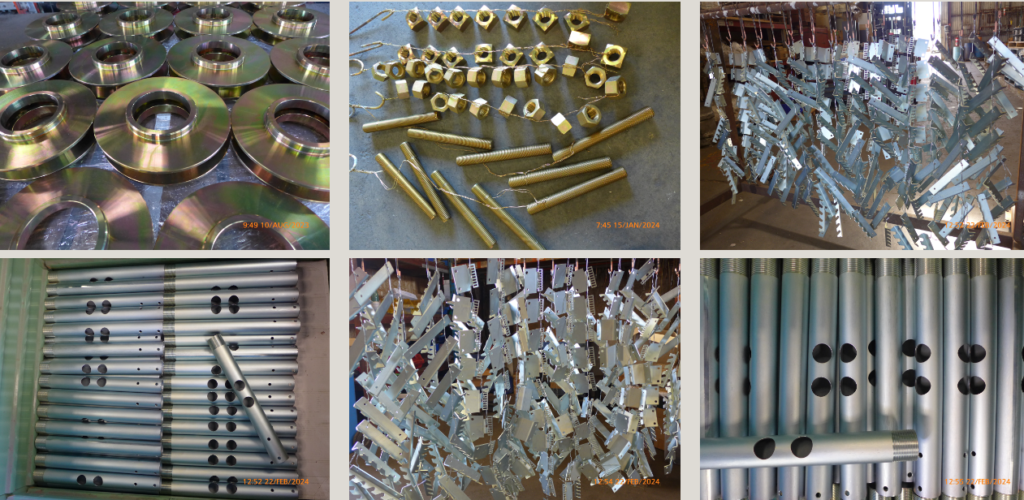
One of the most precise methods of applying a zinc coating is through electroplating. Electroplating services involve the use of an electric current to deposit a thin layer of zinc onto the metal surface. This technique allows for uniform coverage, excellent adhesion, and the ability to coat intricate or complex shapes that may not be feasible with other methods.
Electroplated zinc coatings provide superior corrosion resistance, which is particularly important in harsh environments such as coastal regions, industrial sites, or areas with high humidity. Additionally, the process can be combined with other surface treatments to further enhance the appearance and durability of the metal.
Benefits of Zinc Coating
1. Corrosion Resistance
The primary advantage of a zinc coating is its ability to prevent rust. Zinc acts as a sacrificial metal, meaning it corrodes first while protecting the underlying steel or iron. This sacrificial action ensures that even if the coating is scratched or damaged, the metal beneath remains protected from further corrosion.
2. Cost-Effective Protection
While the initial application of zinc may involve additional costs, it significantly reduces maintenance and replacement expenses in the long run. Investing in a quality zinc coating can save businesses substantial amounts over the lifespan of the metal components.
3. Enhanced Aesthetic Appeal
Beyond protection, zinc coatings can improve the appearance of metals. Electroplated finishes offer a smooth, uniform look, which is often desirable for consumer products, automotive components, and architectural structures. The metallic sheen adds a professional and polished appearance, elevating the overall aesthetic value.
4. Versatility
Electroplating services enable the coating of metals of various shapes and sizes. This versatility makes zinc coatings suitable for a wide range of industries, including construction, automotive, electronics, and machinery manufacturing.
Applications of Zinc Coating
Zinc coatings are used extensively across multiple sectors. In construction, they protect steel beams, structural frameworks, and roofing materials from environmental damage. In the automotive industry, zinc-coated components prevent rusting of car bodies and parts, ensuring longevity and reliability.
Industrial machinery also benefits from zinc coatings, as they reduce wear and tear on critical components, thereby enhancing operational efficiency. Additionally, consumer goods like appliances, tools, and hardware items often utilize zinc coatings for both protection and aesthetic purposes.
Choosing the Right Zinc Coating Method
Selecting the appropriate zinc coating method depends on several factors:
- Environmental Conditions: Hot-dip galvanizing is ideal for outdoor exposure, while electroplating suits indoor or controlled environments.
- Complexity of Design: Electroplating is suitable for intricate or detailed components, ensuring uniform coverage.
- Desired Thickness and Durability: Different applications require varying thicknesses, which can affect the longevity of the coating.
- Budget Considerations: While all methods provide protection, the choice of technique may be influenced by project budgets and cost-effectiveness.
Consulting with professional electroplating services ensures that the chosen method meets both technical and practical requirements, delivering maximum protection without unnecessary expenditure.
Maintenance and Longevity
One of the key advantages of zinc coating is its low maintenance requirement. Regular inspections and simple cleaning can help maintain the coating’s integrity and prolong its protective properties. For industrial applications, periodic checks ensure that the coating continues to provide optimal corrosion resistance, even in challenging environments.
Proper maintenance also extends the life of the underlying metal, reducing the need for frequent replacements or costly repairs. This makes zinc coatings a sustainable and efficient solution for long-term projects.
Conclusion
In a world where durability and performance are critical, zinc coating stands out as a reliable protective solution for metals. Whether applied through hot-dip galvanizing or advanced electroplating services, zinc coatings offer unmatched corrosion resistance, aesthetic appeal, and long-term cost savings.
By understanding the benefits, applications, and maintenance requirements of zinc coatings, industries can make informed decisions that ensure the longevity and quality of their metal products. Investing in proper zinc coating methods today translates into stronger, more resilient structures for tomorrow.