Clean water is a fundamental requirement for healthy living, yet it is often taken for granted. While most households focus on water sources and filtration systems, the condition of the storage tank itself is frequently overlooked. Over time, water tanks can become breeding grounds for bacteria, algae, sediment, and other contaminants that directly affect water quality. Understanding why regular maintenance matters is essential for ensuring long-term safety and hygiene within the home.
Why Water Storage Hygiene Matters
Water tanks act as reservoirs that hold water for daily use, sometimes for extended periods. When tanks are not maintained properly, impurities can accumulate silently. Dust, leaves, insects, and even small animals may find their way into tanks, especially those installed on rooftops or in open spaces. These contaminants not only alter the taste and odor of water but may also pose serious health risks.
Poor tank hygiene can lead to waterborne illnesses, skin infections, and gastrointestinal issues. Children, elderly individuals, and those with compromised immunity are particularly vulnerable. Maintaining storage hygiene is therefore not just a technical task, but a preventive health measure.
Common Contaminants Found in Water Tanks
Over time, several types of contaminants may build up inside household water tanks:
- Sediment and sludge from dissolved minerals
- Algae growth due to sunlight exposure
- Bacterial contamination from stagnant water
- Rust particles in older metallic tanks
These issues often remain unnoticed because the water may appear clear at first glance. However, contaminants can still be present at microscopic levels, making routine inspection and maintenance essential.
Understanding the Cleaning Process
Effective Water Tank Cleaning involves more than simply draining and refilling the tank. A structured process ensures that all impurities are removed without introducing new contaminants. Typically, the procedure includes inspection, removal of residual water, scrubbing of internal surfaces, and thorough disinfection using safe, approved agents.
Modern cleaning practices emphasize minimal water wastage and the use of eco-friendly disinfectants. This approach aligns with environmental responsibility while maintaining hygiene standards. Regular cleaning also helps extend the lifespan of the tank by preventing corrosion and material degradation.
Importance of Tank Material in Maintenance
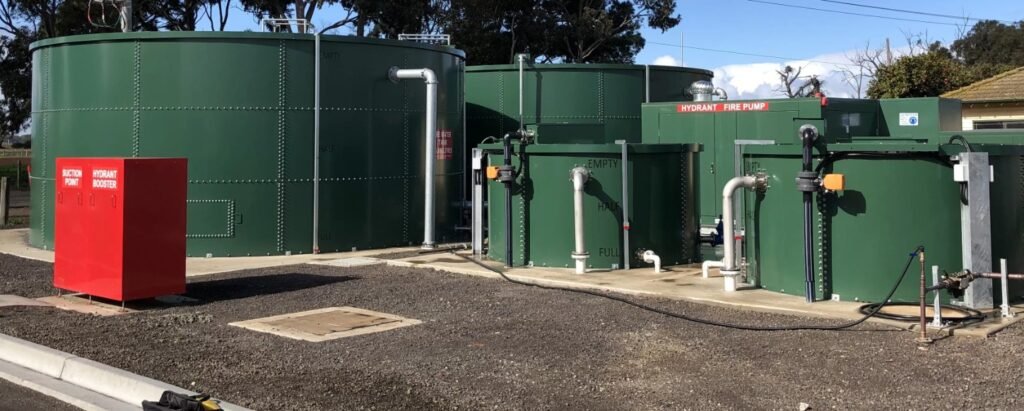
The type of tank material plays a significant role in determining cleaning frequency and methods. Plastic, concrete, and Steel Water Tanks each have unique characteristics that influence how contaminants accumulate.
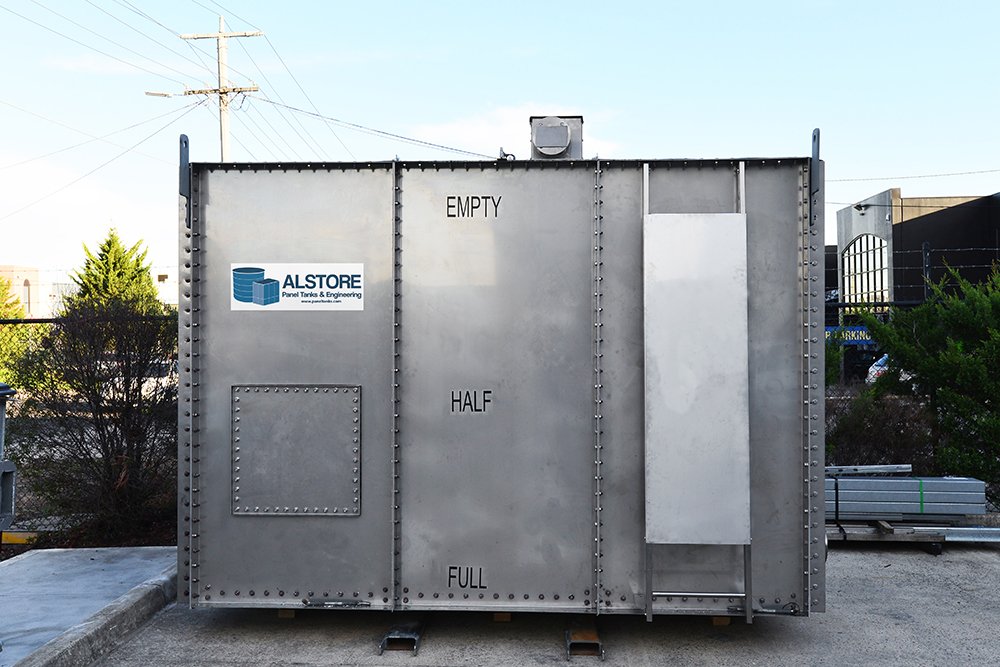
Steel tanks, for instance, are known for their durability and strength, but they are also susceptible to corrosion if not maintained properly. Rust formation can compromise water quality and structural integrity. Regular inspection and timely cleaning help mitigate these risks and ensure consistent performance.
How Often Should Tanks Be Cleaned?
Industry best practices suggest that household water tanks should be cleaned at least once every six to twelve months. Factors such as local climate, water source quality, and tank exposure to sunlight may require more frequent attention. Areas with high dust levels or heavy rainfall often experience faster contamination buildup.
Ignoring recommended cleaning intervals can result in progressive water quality deterioration. Routine maintenance not only prevents health issues but also reduces long-term repair costs associated with tank damage.
Health Benefits of Regular Maintenance
Consistent tank hygiene offers several tangible benefits for households:
- Improved taste and clarity of water
- Reduced risk of bacterial and fungal growth
- Protection against waterborne diseases
- Enhanced lifespan of storage infrastructure
By prioritizing Water Tank Cleaning, families create a safer living environment and gain peace of mind regarding their daily water consumption.
Environmental and Practical Considerations
Beyond health, proper tank maintenance contributes to water conservation. Clean tanks reduce the need for excessive flushing or replacement, minimizing water waste. Additionally, maintaining tanks in good condition supports sustainable water management practices, especially in regions facing water scarcity.
Homeowners should also ensure that tank lids are securely fitted, vents are screened, and overflow pipes are protected to prevent external contaminants from entering the system.
Choosing the Right Maintenance Approach
While some households attempt basic cleaning themselves, professional services often provide deeper sanitation through specialized equipment and expertise. Professionals are trained to handle different tank materials, including Steel Water Tanks, without causing damage. Their methods ensure compliance with safety and hygiene standards while saving time and effort.
Regardless of the approach chosen, consistency remains the key factor. Scheduled maintenance prevents emergencies and ensures uninterrupted access to clean water.
Conclusion
Water storage systems are a silent yet critical component of household health and safety. Neglecting their upkeep can have far-reaching consequences, from health risks to infrastructure damage. By understanding the importance of proper maintenance, recognizing contamination risks, and adopting regular cleaning schedules, households can safeguard their water quality effectively. Clean tanks are not just about clarity and taste; they are about protecting families and promoting long-term well-being through responsible water management.