Managing water resources efficiently is becoming increasingly important in homes worldwide. With growing awareness about water conservation and the challenges posed by unpredictable rainfall, homeowners are turning to rainwater harvesting as a sustainable solution. However, one of the common challenges faced by users is keeping track of the water stored in tanks. This is where rainwater tank level indicators come into play, offering an easy and reliable way to monitor water levels.
Understanding Rainwater Tank Level Indicators
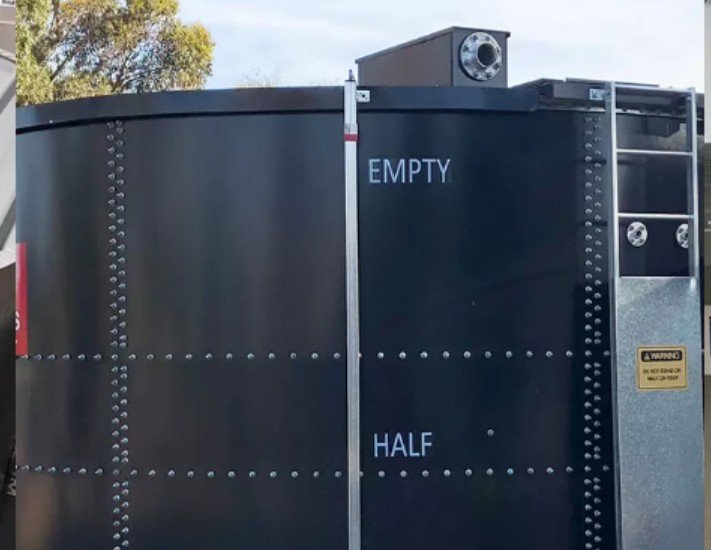
A rainwater tank level indicator is a device designed to measure and display the amount of water stored in a tank. These indicators can range from simple mechanical float systems to advanced digital sensors that provide real-time data. By giving an accurate representation of the water level, they help homeowners plan water usage more efficiently, avoid overflow, and ensure the tank is refilled when needed.
Modern indicators are not only functional but also user-friendly. Many come with visual displays that are easy to read from a distance, while some advanced models can even connect to smartphones, sending alerts when water levels are low or high.
Why Monitoring Water Levels Matters
Monitoring water levels is crucial for several reasons:
- Efficient Water Management: Knowing the exact amount of water available helps in planning daily usage, especially during dry periods.
- Prevention of Overflow: An overfilled tank can lead to wastage and potential damage to the surrounding areas.
- System Longevity: Maintaining optimal water levels reduces strain on pumps and filtration systems, prolonging their lifespan.
- Emergency Preparedness: Accurate monitoring ensures you have sufficient water during emergencies or unexpected water shortages.
By integrating water level indicator technology, homeowners can address these concerns proactively.
Types of Rainwater Tank Level Indicators
Several types of rainwater tank level indicators are available in the market, catering to different needs and budgets:
1. Mechanical Float Indicators
These are the simplest type, consisting of a floating device attached to a gauge. As water levels change, the float moves, indicating the level on a visible dial. Mechanical indicators are reliable, require minimal maintenance, and are ideal for households looking for a cost-effective solution.
2. Electronic Level Sensors
Electronic indicators use sensors to detect water levels and convert this information into an easy-to-read digital display. These can provide precise measurements and often include alarms to signal low or high water levels. Some models even allow remote monitoring via mobile apps, offering convenience for tech-savvy homeowners.
3. Ultrasonic and Pressure Sensors
Advanced systems use ultrasonic waves or pressure sensors to determine the water level. These indicators are highly accurate and suitable for larger tanks or complex water storage setups. Although more expensive, their precision and automated alerts make them an attractive choice for homes with high water usage or integrated irrigation systems.
Installation and Maintenance Tips
Installing a water level indicator is generally straightforward, but following best practices ensures optimal performance:
- Correct Positioning: Place the indicator where it can measure the full range of water levels in the tank. Avoid areas where debris or leaves might interfere.
- Regular Cleaning: Periodically clean mechanical floats or sensor components to prevent build-up that can affect accuracy.
- Calibration: Check the calibration of electronic or digital indicators to maintain reliable readings.
- Weather Protection: If the indicator is installed outdoors, ensure it is weather-resistant to avoid damage from rain, sunlight, or extreme temperatures.
Regular maintenance not only enhances accuracy but also extends the lifespan of the device.
Benefits Beyond Simple Monitoring
While the primary function of rainwater tank level indicators is to show water levels, they offer several indirect benefits:
- Water Conservation Awareness: By monitoring usage, homeowners become more conscious of their consumption patterns.
- Cost Savings: Avoiding unnecessary pumping and wastage reduces electricity and water bills.
- Integration with Smart Systems: Many modern indicators can integrate with home automation systems, enabling automated irrigation, pump control, and real-time reporting.
These advantages make water level monitoring an essential aspect of responsible water management.
Choosing the Right Indicator
Selecting the appropriate water level indicator depends on several factors:
- Tank Size: Larger tanks may benefit from electronic or ultrasonic sensors for better precision.
- Budget: Mechanical float indicators are cost-effective, while digital sensors offer advanced features at a higher price.
- Ease of Use: Consider indicators that provide clear readings and alerts suitable for your lifestyle.
- Durability: Ensure the device is resistant to corrosion, UV damage, and other environmental factors.
By evaluating these factors, homeowners can make an informed decision that meets both their water monitoring needs and long-term sustainability goals.
Conclusion
Monitoring rainwater levels is no longer a manual guessing game. Rainwater tank level indicators provide a simple, reliable, and efficient solution for homeowners to track their water storage, prevent wastage, and optimize usage. Whether opting for a mechanical float system or a sophisticated digital sensor, these devices empower users to take control of their water resources.
Incorporating a water level indicator is a small investment that offers long-term benefits, contributing to water conservation, cost savings, and sustainable living. As water scarcity becomes an increasing concern globally, adopting these solutions ensures every home can manage its resources intelligently and responsibly.