Interior finishes have always played a crucial role in defining the character and atmosphere of a space. From ancient stone walls to modern textured surfaces, wall treatments reflect both cultural heritage and evolving design preferences. Among these, Venetian plastering stands out as a timeless technique that blends artistry, durability, and sophistication. Rooted in Italian craftsmanship, this decorative finish continues to gain attention in contemporary architecture and interior design for its refined appearance and practical benefits.

The Origins of Venetian Plastering
Venetian plastering dates back to ancient Rome and was later perfected in Venice during the Renaissance period. Craftsmen originally developed this technique as a cost-effective alternative to natural marble, using lime-based plaster mixed with marble dust. The result was a smooth, polished surface that mimicked the depth and elegance of stone. Over centuries, the method evolved, but its core principles—precision, layering, and skilled application—remain unchanged.
Today, Venetian Plastering is valued not only for its historical roots but also for its ability to bridge classical aesthetics with modern interiors. Its adaptability allows it to complement both traditional and minimalist design styles.
Composition and Application Process
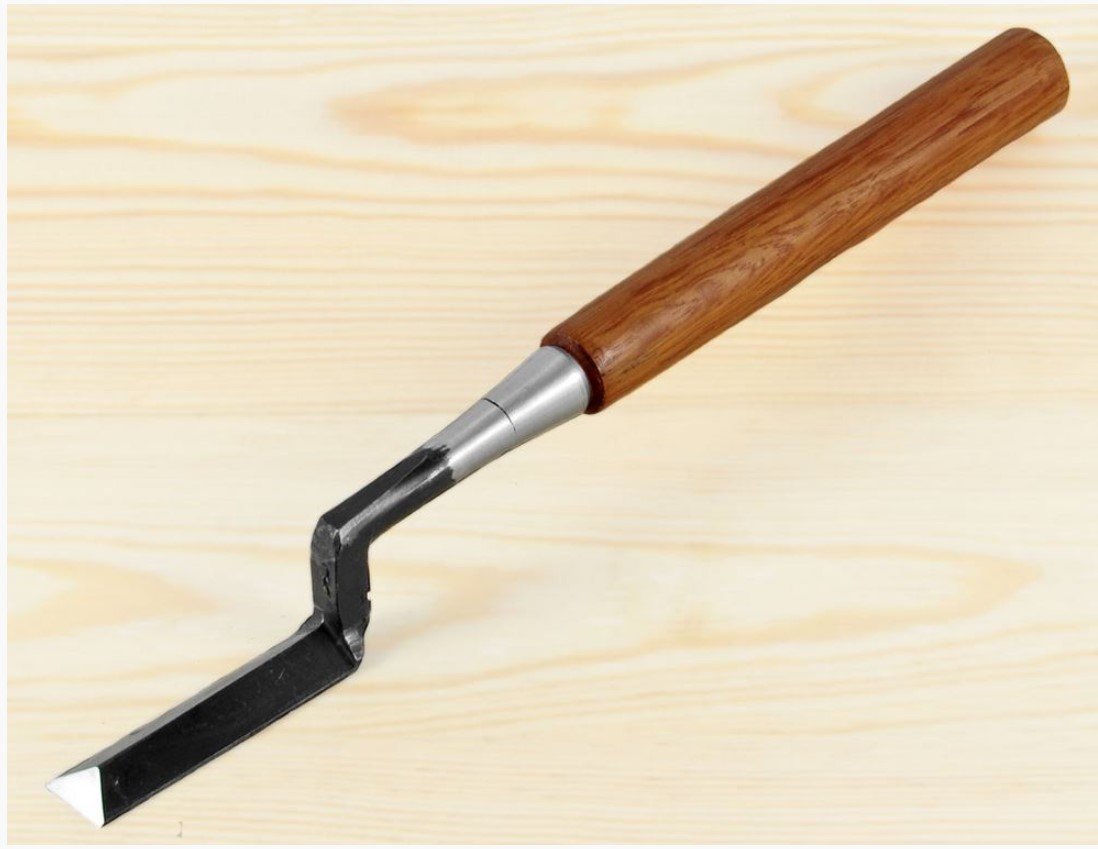
The distinctive appearance of Venetian plaster comes from its unique composition and meticulous application. Typically made from slaked lime and finely ground marble or limestone, the plaster is applied in multiple thin layers using a steel trowel. Each layer is carefully smoothed and burnished, creating depth and a subtle variation in tone.
As the plaster cures, it undergoes a natural carbonation process, hardening into a durable surface. The final finish can range from matte to high-gloss, depending on the technique used. This handcrafted process ensures that no two walls are exactly alike, adding a bespoke quality to interiors.
Visual and Functional Benefits
One of the most compelling aspects of Venetian plastering is its visual richness. The layered application creates a sense of movement and depth that flat paint cannot replicate. Light interacts with the surface in a dynamic way, enhancing the sense of space and luxury within a room.
Beyond aesthetics, Venetian plaster offers several functional advantages:
- Breathability: Lime-based plasters allow walls to breathe, helping regulate indoor humidity.
- Durability: When properly applied, the surface is resistant to cracking and wear.
- Low Maintenance: Its smooth finish makes it easier to clean compared to textured walls.
- Eco-Friendly Properties: Natural materials and minimal chemical additives make it a sustainable choice.
These qualities contribute to its growing use in residential, commercial, and hospitality environments.
Applications in Modern Architecture
In contemporary design, Venetian plastering is often used as a feature finish rather than a full-room application. Accent walls, ceilings, columns, and fireplaces benefit from its refined texture without overwhelming the space. Neutral tones remain popular, though modern pigments allow for a wide spectrum of colors that suit diverse design palettes.
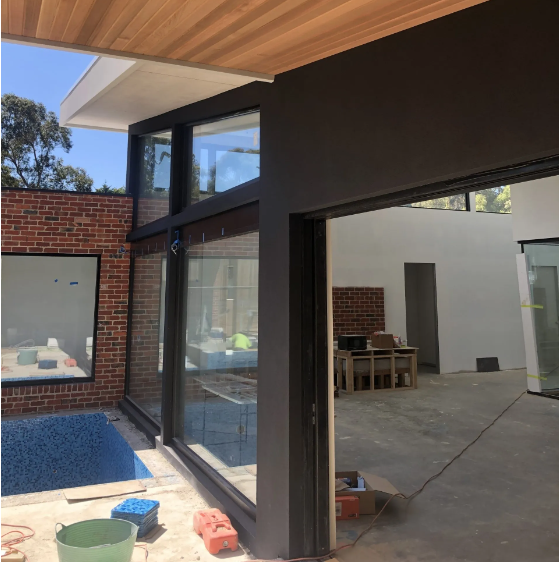
In urban settings, especially where premium interior finishes are in demand, Rendering Services Melbourne frequently integrate Venetian plaster techniques into broader rendering and finishing solutions. This reflects a growing preference for finishes that balance craftsmanship with modern performance standards.
Venetian Plaster vs. Conventional Wall Finishes
Compared to standard paint or synthetic wall coatings, Venetian plaster offers a distinct tactile and visual experience. Paint provides uniform color but lacks depth, while wallpapers may offer patterns without the longevity of mineral-based finishes. Venetian plaster, by contrast, combines visual interest with structural integrity.
Its ability to age gracefully is another notable difference. Rather than peeling or fading, the surface develops a subtle patina over time, enhancing its character. This makes it particularly suitable for spaces where long-term aesthetic value is prioritized.
Considerations Before Choosing Venetian Plaster
While Venetian plastering offers numerous advantages, it requires skilled craftsmanship. The quality of the finish depends heavily on the applicator’s experience and technique. Surface preparation, environmental conditions, and curing time all influence the final result.
Cost considerations also play a role, as the labor-intensive process can be more expensive than standard wall treatments. However, many designers and property owners view it as a long-term investment due to its durability and timeless appeal.
Conclusion
Venetian plastering represents a harmonious blend of history, artistry, and modern functionality. Its origins in Italian craftsmanship continue to influence contemporary design, offering interiors a sense of depth, elegance, and individuality. With benefits that extend beyond appearance—such as durability, breathability, and sustainability—it remains a relevant and respected wall finishing technique. For those seeking an interior surface that transcends trends and delivers lasting value, Venetian plastering stands as a refined and enduring choice.