Clean and safe drinking water is a cornerstone of healthy living. Yet, one often overlooked aspect of maintaining water quality is the cleanliness of the water storage system. From residential buildings to commercial establishments, water tanks play a crucial role in supplying potable water. However, without regular maintenance, these tanks can harbor harmful contaminants, putting health at risk. Understanding the importance of professional Water Tank Cleaning services is essential for ensuring that every drop of water remains safe for consumption.
Why Regular Water Tank Cleaning Matters
Water tanks, whether underground or overhead, can accumulate sediment, algae, and bacterial growth over time. Even in areas with treated municipal water, these contaminants can build up, especially in tanks that are not routinely inspected. Common risks associated with neglected water tanks include:
- Bacterial contamination: Harmful microorganisms like E. coli can thrive in stagnant water.
- Algal growth: Exposure to sunlight can trigger algae proliferation, causing foul odor and discoloration.
- Sediment accumulation: Rust, dust, and debris settle at the bottom, reducing water quality.
- Health hazards: Drinking contaminated water can lead to gastrointestinal problems and other illnesses.
Professional Water Tank Cleaning ensures that these risks are minimized, providing households and businesses with access to clean, safe water.
Types of Water Tanks and Their Maintenance Needs
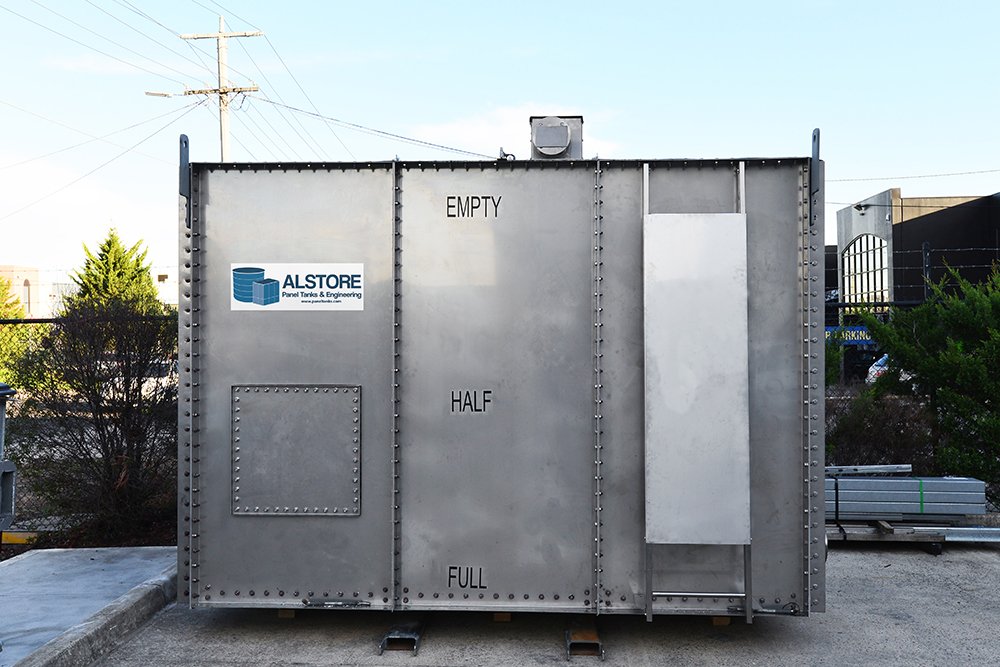
Different water storage solutions require tailored cleaning approaches. Among the most common are Panel Tanks, which are widely used in both residential and commercial settings due to their modular design and durability.
Panel Tanks
Panel Tanks are constructed using interlocking panels made of materials like stainless steel or reinforced plastic. Their modular design allows for flexible installation and easy maintenance. Despite their sturdy build, Panel Tanks are not immune to contamination. Over time, biofilm formation, sediment accumulation, and algae growth can occur inside these tanks. Routine cleaning is essential to prevent waterborne diseases and maintain tank longevity.
Conventional Water Tanks
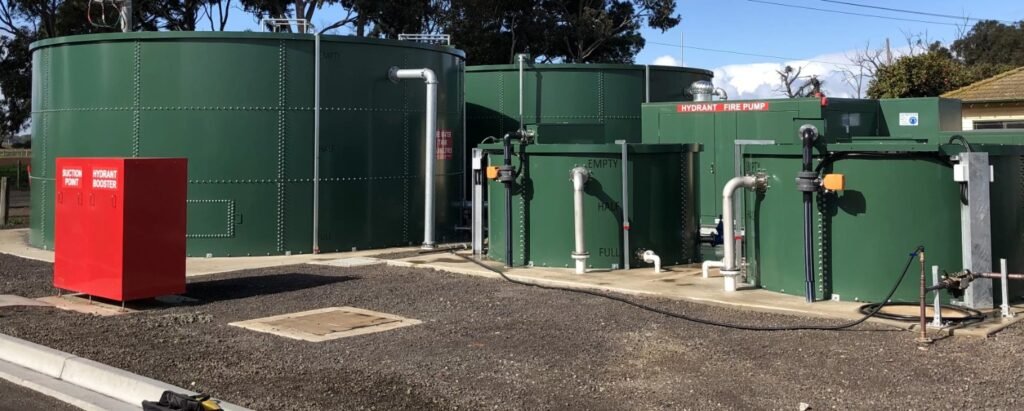
Traditional cylindrical or rectangular tanks also require periodic cleaning. The process often involves draining the tank, scrubbing interior surfaces, disinfecting with chlorine or other approved sanitizers, and flushing the system thoroughly. Whether it’s a small residential tank or a large commercial reservoir, professional cleaning ensures water safety.
The Process of Professional Water Tank Cleaning
Effective Water Tank Cleaning is more than a simple rinse. Professionals follow a systematic process to ensure complete sanitation:
- Inspection and Assessment – Technicians examine the tank for cracks, leaks, and accumulated sediment. Identifying potential issues early prevents long-term damage.
- Draining the Tank – Water is safely drained to allow thorough cleaning.
- Scrubbing and Debris Removal – All interior surfaces, including walls and the bottom, are scrubbed to remove biofilm, algae, and sediment.
- Disinfection – Tanks are treated with safe disinfectants to kill bacteria and other harmful microorganisms.
- Rinsing and Refilling – After thorough cleaning, the tank is rinsed, refilled with clean water, and sometimes treated with residual sanitizers to prevent immediate regrowth.
This structured approach ensures that both Panel Tanks and conventional tanks remain hygienic and free from contamination.
Benefits of Regular Water Tank Cleaning
Engaging professional services for Water Tank Cleaning offers numerous advantages beyond just hygiene:
- Safe Drinking Water: The primary benefit is clear – your water remains free from harmful bacteria and pathogens.
- Extended Tank Lifespan: Regular cleaning prevents corrosion and damage, especially in Panel Tanks, which can be costly to replace.
- Reduced Health Risks: Prevents waterborne diseases, protecting families and employees alike.
- Enhanced Water Taste and Clarity: Clean tanks ensure that water retains its natural taste and remains visually appealing.
- Compliance with Regulations: In some commercial and industrial settings, regular water tank maintenance is legally required to meet health standards.
How Often Should Water Tanks Be Cleaned?
The frequency of cleaning depends on several factors, including tank size, usage, water source, and environmental conditions. As a general guideline:
- Residential tanks: Every 6–12 months
- Commercial tanks: Every 3–6 months
- Rainwater harvesting tanks: Every 3–6 months, due to higher sediment accumulation
However, tanks in dusty environments, areas with high bacterial contamination, or those using untreated water may require more frequent maintenance.
Choosing a Reliable Water Tank Cleaning Service
Selecting the right service provider is crucial for effective tank maintenance. Key considerations include:
- Experience and Expertise: Look for professionals experienced with different types of tanks, including Panel Tanks.
- Use of Safe Chemicals: Ensure disinfectants and cleaning agents are approved for potable water.
- Transparent Process: The service provider should explain the cleaning process, safety measures, and expected outcomes.
- Customer Reviews: Positive feedback from past clients is a strong indicator of reliability.
By prioritizing quality and expertise, you ensure that your water storage systems remain safe and functional.
Conclusion
Maintaining clean water tanks is not just a matter of convenience—it’s a public health necessity. Professional Water Tank Cleaning services provide a comprehensive solution to prevent contamination, protect health, and ensure that water remains safe and palatable. Both conventional tanks and modular Panel Tanks benefit from systematic cleaning, helping to extend their lifespan while delivering high-quality drinking water. Regular maintenance, coupled with expert services, is the key to securing safe water for every home and workplace.