Steel remains one of the most widely used materials in construction, automotive manufacturing, infrastructure, and industrial machinery. Its strength and versatility make it indispensable. However, steel has a natural vulnerability: corrosion. When exposed to moisture and oxygen, it begins to rust, weakening its structural integrity over time. To combat this issue effectively, industries rely on zinc electroplating—a process designed to protect steel while maintaining its functionality and appearance.
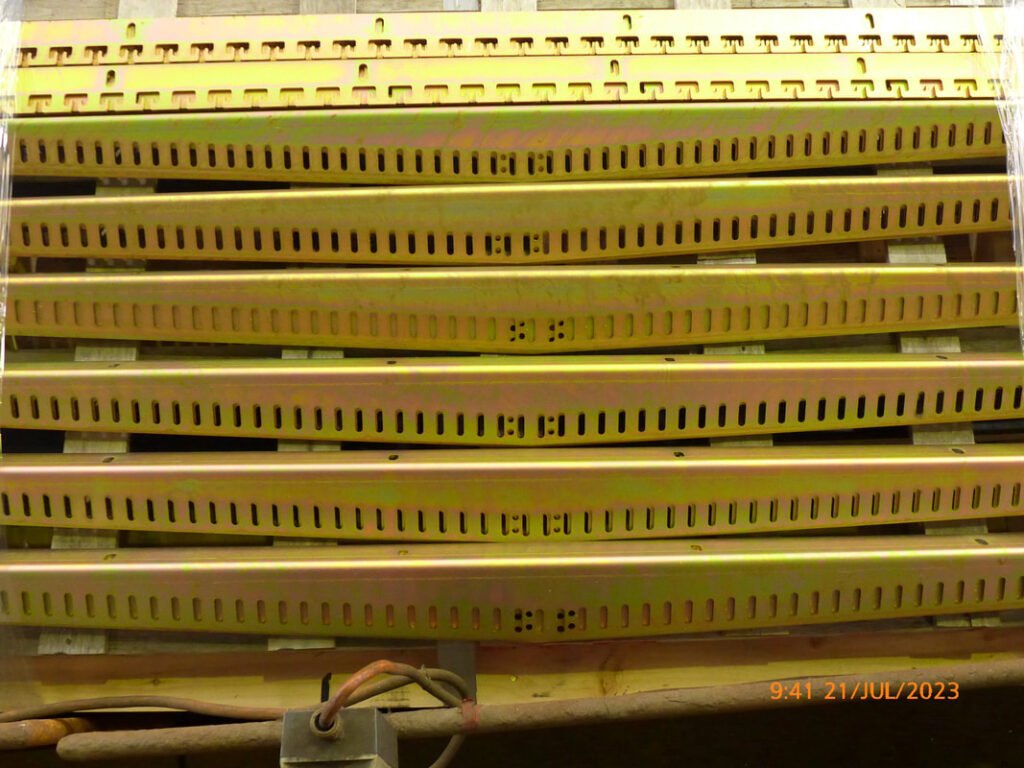
Understanding how this protective system works offers valuable insight into why it continues to be a preferred surface treatment method worldwide.
Understanding the Science Behind Zinc Electroplating
At its core, Zinc Electroplating is a controlled electrochemical process. In this method, a thin layer of zinc is deposited onto the surface of steel or iron components using an electric current. The steel part acts as the cathode in an electrolytic bath containing zinc ions. When electricity flows through the solution, zinc ions bond to the metal surface, forming a protective coating.
This zinc layer serves as a sacrificial barrier. Even if the coating is scratched, zinc corrodes before the underlying steel does. This phenomenon, known as galvanic protection, significantly extends the life of the metal component.
Unlike mechanical coatings or painting, electroplating produces a uniform and tightly bonded layer, even on complex shapes and threaded parts. This makes it especially suitable for fasteners, brackets, and automotive components where precision matters.
Why Zinc Is the Preferred Protective Metal
Zinc offers a unique combination of benefits that make it ideal for corrosion protection:
- Sacrificial protection: Zinc corrodes first, protecting the base metal.
- Cost efficiency: It provides durable protection without excessive expense.
- Compatibility with finishing processes: It can be further treated with passivation or chromate coatings.
- Improved appearance: It delivers a clean, professional finish ranging from clear to yellow or black tones.
The protective quality of zinc makes it particularly valuable in environments exposed to humidity, road salts, and industrial pollutants.
The Role of Professional Electroplating Services
The effectiveness of protective coatings largely depends on process control. Professional Electroplating Services ensure that metal parts undergo proper surface preparation before plating. Cleaning, degreasing, and acid pickling remove contaminants that could otherwise compromise adhesion.
Advanced plating facilities monitor variables such as:
- Current density
- Bath chemistry
- Temperature
- Plating time
Precision in these parameters ensures uniform thickness and consistent performance.
Quality control measures, including thickness testing and corrosion resistance evaluation (such as salt spray testing), are also integral to reliable results. These assessments confirm whether the plated components meet industry standards and application requirements.
Applications Across Key Industries
Zinc-coated steel is used extensively across multiple sectors due to its reliability and adaptability.
Automotive Industry
Fasteners, bolts, brake components, and underbody hardware commonly receive zinc coatings to resist rust caused by road moisture and de-icing salts. The automotive sector values both durability and consistent finish quality.
Construction and Infrastructure
Structural fittings, anchors, brackets, and reinforcement components benefit from corrosion protection in outdoor or high-humidity environments. Zinc coatings contribute to longer service life and reduced maintenance needs.
Electrical and Industrial Equipment
Switchgear components, enclosures, and mechanical assemblies rely on corrosion-resistant finishes to ensure operational reliability over time.
In all these industries, Zinc Electroplating plays a critical role in extending product lifespan and minimizing structural degradation.
Comparing Zinc Electroplating with Other Coating Methods
While several corrosion protection methods exist—such as hot-dip galvanizing, powder coating, and painting—electroplating offers specific advantages.
| Method | Thickness | Finish Quality | Precision Parts Suitability |
|---|---|---|---|
| Zinc Electroplating | Thin & uniform | Smooth & consistent | Excellent |
| Hot-Dip Galvanizing | Thick | Rougher finish | Limited for small parts |
| Powder Coating | Thick | Decorative | Not sacrificial |
Electroplating is particularly suitable for small, detailed components where dimensional accuracy is essential. The thin coating prevents interference with threading or mechanical tolerances.
Environmental and Compliance Considerations
Modern plating facilities are increasingly aligned with environmental and regulatory standards. Advanced wastewater treatment systems, responsible chemical management, and compliance with industry regulations ensure sustainable operations.
Additionally, newer passivation technologies reduce the environmental impact traditionally associated with chromate treatments. As industries move toward greener manufacturing practices, improvements in Electroplating Services reflect evolving environmental responsibilities.
Factors Influencing Coating Performance
The long-term effectiveness of zinc plating depends on several variables:
- Coating thickness – Thicker coatings generally provide longer protection.
- Environmental exposure – Marine and industrial environments accelerate corrosion.
- Post-treatment processes – Sealers and passivation enhance durability.
- Maintenance practices – Proper storage and handling reduce early damage.
Selecting appropriate specifications based on application needs ensures optimal performance.
Future Trends in Zinc Surface Protection
Advancements in electrochemical engineering continue to refine plating processes. Automation improves consistency, while digital monitoring enhances quality control. Research into alloy-based zinc coatings, such as zinc-nickel blends, aims to provide even greater corrosion resistance in demanding environments.
As infrastructure development and industrial expansion continue globally, protective surface treatments remain essential. The demand for reliable, cost-effective corrosion solutions ensures that zinc-based coatings retain their industrial relevance.
Conclusion
Corrosion remains one of the most persistent challenges facing steel structures and components. Without adequate protection, metal degradation can lead to structural weakness, increased maintenance costs, and shortened product lifespans. Zinc electroplating addresses this challenge through a scientifically grounded process that creates a durable, sacrificial barrier against rust.
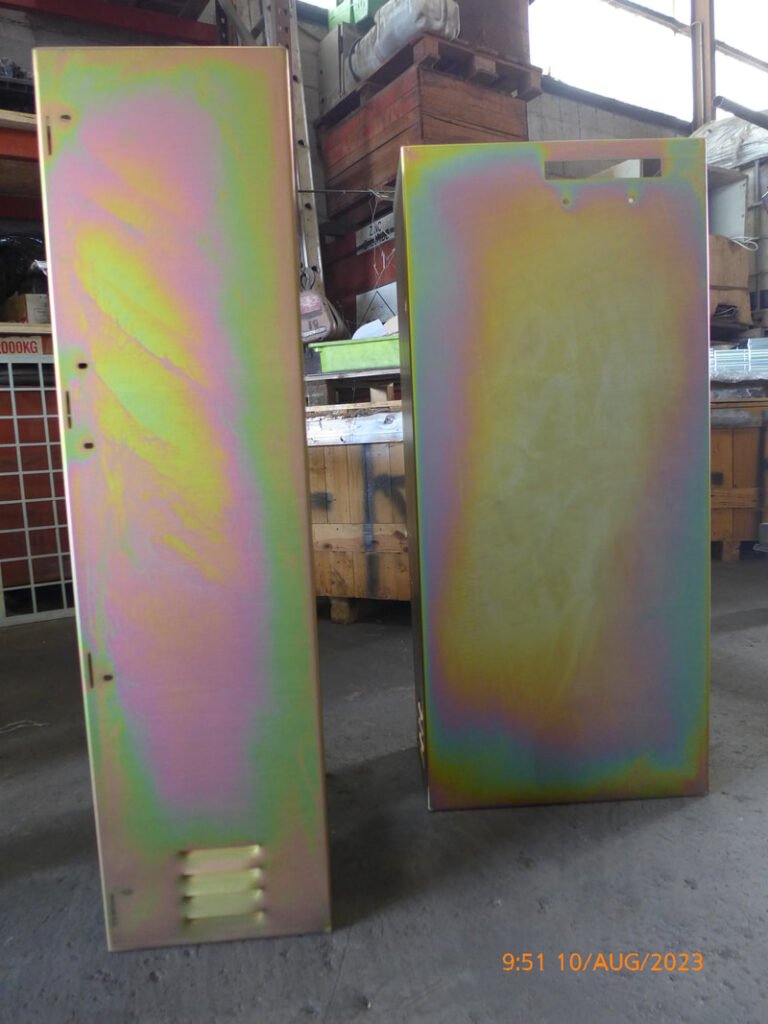
By combining precision application methods with consistent quality control, industries benefit from extended durability and reliable performance. Whether in automotive systems, construction frameworks, or industrial machinery, zinc-coated steel continues to serve as a resilient solution in environments where protection is not optional but essential.