In modern industrial operations, ensuring the structural integrity of materials and components is more critical than ever. Unexpected failures can lead to significant financial losses, operational delays, and even safety hazards. This is where NDT Testing plays a pivotal role, offering non-invasive methods to detect flaws before they escalate into costly issues.
Understanding NDT Testing
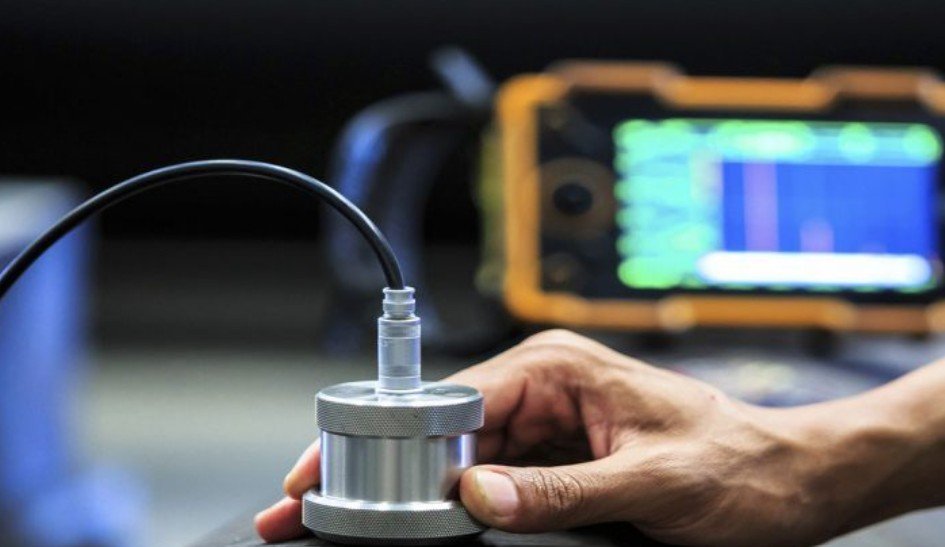
NDT Testing—or Non-Destructive Testing—is a collection of evaluation techniques used to examine materials, components, or assemblies without causing any damage. Unlike destructive testing methods, which compromise the tested material, NDT preserves the usability of the component while providing valuable insights into its condition.
Industries ranging from aerospace and automotive to construction and manufacturing rely on these solutions to maintain high safety standards and optimize operational efficiency. By detecting hidden flaws such as cracks, corrosion, or internal discontinuities, companies can take proactive measures to prevent failures before they occur.
Common NDT Testing Methods
Several NDT methods are widely adopted, each offering specific advantages depending on the application:
1. Ultrasonic Testing (UT)
Ultrasonic Testing uses high-frequency sound waves to detect internal defects. It is highly effective for identifying hidden cracks, voids, or inclusions in metals, composites, and welds. Its precision and depth penetration make it a preferred choice for critical components.
2. Radiographic Testing (RT)
Radiographic Testing employs X-rays or gamma rays to create images of a component’s internal structure. This method is particularly useful for detecting porosity, voids, or inclusions in welding joints, castings, and pipelines.
3. Magnetic Particle Testing (MT)
Magnetic Particle Testing detects surface and near-surface defects in ferromagnetic materials. By applying a magnetic field and then using fine magnetic particles, technicians can easily visualize discontinuities such as cracks or seams.
4. Liquid Penetrant Testing (PT)
Liquid Penetrant Testing involves applying a visible or fluorescent dye to a component’s surface. The dye seeps into surface-breaking defects, which are then revealed under inspection. This method is effective for detecting minor surface imperfections.
5. Visual Testing (VT)
The most basic but essential method, Visual Testing, involves a thorough inspection of the surface using the naked eye or magnification tools. While simple, it remains a critical part of any comprehensive welding inspection services program.
The Role of Welding Inspection Services
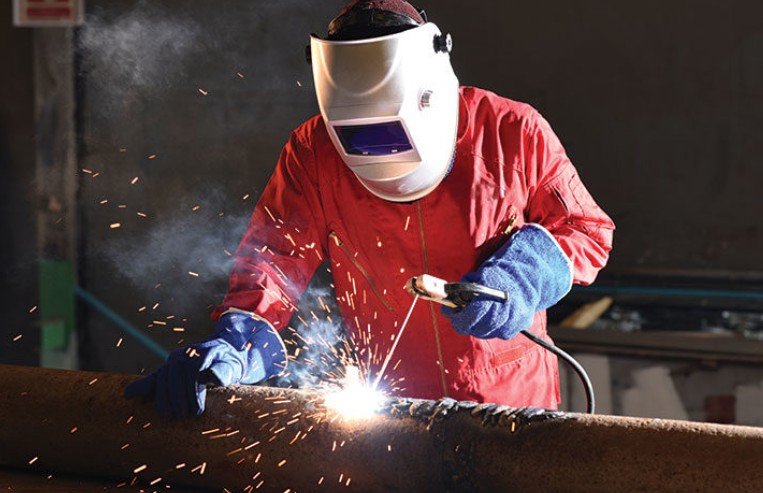
Welding plays a central role in constructing durable structures, pipelines, and heavy machinery. However, even minor defects in welds can compromise structural integrity. Welding inspection services are specialized evaluations designed to ensure that welds meet industry standards and remain safe under operational stresses.
Through NDT techniques such as ultrasonic testing and radiography, welding inspection services can detect flaws such as incomplete fusion, porosity, or cracks. This proactive approach not only enhances safety but also prevents expensive repairs or catastrophic failures.
Benefits of Investing in NDT Solutions
Implementing NDT solutions provides a range of benefits that extend beyond safety:
Cost Savings
By identifying defects early, companies can address issues before they require expensive replacements or repairs. Preventing equipment downtime also ensures uninterrupted operations and financial efficiency.
Compliance and Certification
Industries such as aerospace, oil and gas, and construction adhere to strict regulatory standards. NDT Testing ensures compliance with these regulations, helping companies avoid legal penalties and maintain certifications.
Extended Equipment Life
Regular inspections allow for predictive maintenance, extending the operational lifespan of machinery and structural components. This minimizes wear and tear and maximizes return on investment.
Enhanced Safety
By detecting potential failures before they occur, NDT Testing safeguards workers, the environment, and public infrastructure. Safety remains a paramount concern in every industrial sector, making NDT an indispensable tool.
Choosing the Right NDT and Welding Inspection Services
Selecting an experienced provider is crucial to achieving reliable results. Professional NDT and welding inspection services offer:
- Certified and trained technicians
- Advanced equipment and techniques
- Accurate reporting and documentation
- Compliance with industry standards
Collaborating with a reputable service provider ensures thorough inspections and actionable insights, ultimately preventing costly failures and ensuring operational efficiency.
Future Trends in NDT Testing
As technology evolves, NDT Testing is also experiencing significant advancements:
- Automated inspections using robotics and drones enhance speed and accuracy.
- Digital radiography offers quicker imaging and reduces the need for chemical processing.
- AI and machine learning are being integrated to detect subtle defects and predict maintenance needs.
These innovations continue to make NDT Testing more reliable, efficient, and accessible for industries worldwide.
Conclusion
In an era where industrial reliability and safety are paramount, NDT Testing and welding inspection services are indispensable tools. They offer a proactive approach to detecting defects, minimizing downtime, and reducing costs associated with unexpected failures. By investing in these solutions, industries can ensure structural integrity, comply with safety standards, and maintain operational efficiency. Ultimately, the integration of advanced NDT practices is not just a technical requirement—it is a strategic investment that safeguards both assets and people.