In modern construction and renovation projects, flooring is no longer viewed as a purely functional element. It has evolved into a design feature that influences aesthetics, safety, durability, and long-term maintenance. Among the many flooring solutions available today, epoxy surfaces stand out for their sleek appearance and structural resilience. From industrial warehouses to contemporary retail outlets, epoxy flooring continues to gain recognition for its seamless finish and high-performance capabilities.
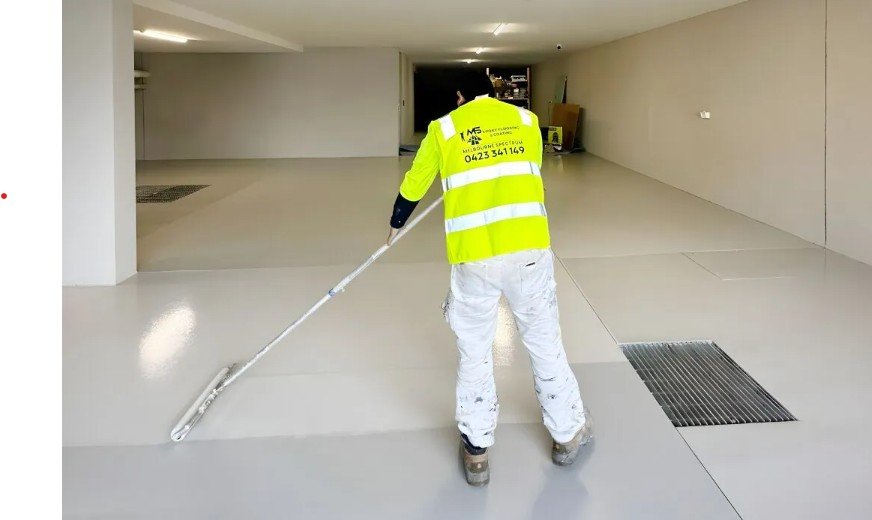
Understanding Epoxy Flooring Systems
Epoxy flooring is created by applying multiple layers of resin and hardener onto a prepared concrete surface. When combined, these components chemically react to form a rigid, plastic-like material that bonds firmly to the substrate. The result is a smooth, non-porous, and highly durable floor surface.
Unlike traditional concrete or tiled floors, Epoxy Floor Coating forms a continuous layer without visible joints or grout lines. This seamless design not only enhances visual appeal but also reduces the risk of dirt accumulation, moisture penetration, and bacterial growth. Its ability to withstand heavy traffic and mechanical stress makes it suitable for demanding environments.
Key Advantages of Epoxy Floor Coating
1. Seamless and Glossy Finish
One of the most notable characteristics of Epoxy Floor Coating is its high-gloss finish. The reflective surface can significantly enhance lighting within a space, making areas appear brighter and more spacious. This feature is particularly beneficial in commercial settings where ambiance and visibility are important.
2. Exceptional Durability
Epoxy-coated floors are resistant to impact, abrasion, and chemical spills. In environments such as factories, garages, and storage facilities, flooring must endure heavy equipment and constant foot traffic. Epoxy’s robust structure ensures long-term performance without cracking or chipping easily.
3. Low Maintenance Requirements
Maintenance is often a major concern for property owners and facility managers. Since epoxy flooring is non-porous and smooth, cleaning typically involves simple sweeping and occasional mopping. The absence of grout lines prevents the buildup of debris, contributing to better hygiene standards.
4. Improved Safety
Slip-resistant additives can be incorporated into epoxy coatings to enhance traction. Additionally, the glossy surface improves light reflection, which may help reduce workplace accidents by improving visibility.
Applications Across Commercial and Industrial Spaces
Epoxy flooring is versatile and adaptable to a wide range of environments. Its properties make it suitable for:
- Warehouses and distribution centers
- Retail stores and showrooms
- Healthcare facilities
- Educational institutions
- Automotive workshops
In regions where infrastructure development is growing, businesses increasingly seek flooring solutions that combine functionality and aesthetics. This demand has led to the growing adoption of Commercial Flooring Melbourne projects that incorporate epoxy systems for long-lasting performance.
Design Flexibility and Customization
Beyond durability, epoxy flooring offers significant design flexibility. It can be customized with various colors, textures, and patterns to align with brand identity or interior themes. Decorative flakes, metallic finishes, and matte options allow architects and designers to create distinctive surfaces.
In commercial interiors, a polished and cohesive appearance contributes to the overall perception of professionalism. As a result, many commercial property developers exploring Commercial Flooring Melbourne solutions consider epoxy as a viable option due to its ability to balance design with structural reliability.
Installation Process and Considerations
Proper installation is crucial for ensuring optimal performance. The process generally involves:
- Surface preparation through grinding or shot blasting
- Repairing cracks or imperfections in the concrete
- Applying a primer layer
- Installing base coats and optional decorative elements
- Sealing with a protective topcoat
Surface preparation plays a vital role in achieving strong adhesion. If the substrate is not properly prepared, issues such as bubbling or peeling may occur. Environmental factors like temperature and humidity also influence curing time and final finish quality.
For large-scale projects, careful planning and adherence to manufacturer guidelines help ensure that the flooring system performs as intended over time.
Environmental and Long-Term Value
Sustainability is an important consideration in contemporary construction practices. Epoxy flooring systems can contribute to long-term cost efficiency due to their durability and minimal maintenance requirements. Their reflective properties may also support energy efficiency by improving interior lighting conditions.
Furthermore, because epoxy coatings can extend the lifespan of existing concrete surfaces, they reduce the need for complete floor replacements. This aspect aligns with sustainable building practices that focus on resource conservation.
Is Epoxy Flooring the Right Choice?
When evaluating flooring options, decision-makers often consider factors such as durability, maintenance, aesthetics, and budget. Epoxy flooring offers a balanced solution that addresses these concerns effectively. However, suitability depends on the specific needs of the space, including traffic levels, exposure to chemicals, and desired visual outcomes.
For commercial property owners and facility managers, investing in a seamless and resilient flooring system can improve operational efficiency while maintaining a professional environment.

Conclusion
Epoxy flooring has emerged as a practical and visually appealing solution for modern commercial and industrial spaces. Its seamless surface, high durability, and low maintenance requirements make it a reliable choice for environments that demand both performance and aesthetic appeal. By understanding its installation process, benefits, and long-term value, property owners can make informed decisions that align with their functional and design goals.