Funerals are profound ceremonies that reflect the cultural, religious, and emotional values of a community. Among the many rich traditions across the world, the Greek Orthodox Funeral stands out for its deep symbolism, solemn rituals, and a unique blend of faith and family-centered practices. Understanding these customs can help individuals navigate the process with respect and sensitivity, whether they are participating for the first time or arranging services for loved ones.
Historical Context of Greek Orthodox Funerals
Greek Orthodox funerals are deeply rooted in centuries-old Christian traditions, emphasizing the eternal nature of the soul and the journey after death. The rites are influenced by both Byzantine liturgy and Greek cultural practices, which prioritize community, respect, and remembrance. Historically, funerals were not merely ceremonies for the deceased but were also communal events that reinforced social bonds and spiritual beliefs.
Key Rituals in a Greek Orthodox Funeral
A Greek Orthodox Funeral is a structured process, typically involving several key rituals, each carrying symbolic meaning:
1. Preparation of the Body
The preparation begins with washing and dressing the deceased, usually in a simple garment. This act is considered a final act of love and respect. A prayer is recited over the body, emphasizing the soul’s journey and seeking comfort for the family.
2. The Trisagion Service
Before the funeral service, a short prayer ceremony called the Trisagion is held. This service involves chanting prayers and hymns, asking for forgiveness and eternal rest for the departed. It can take place either at home or at a funeral home in Melbourne, depending on the family’s arrangements.
3. The Funeral Service
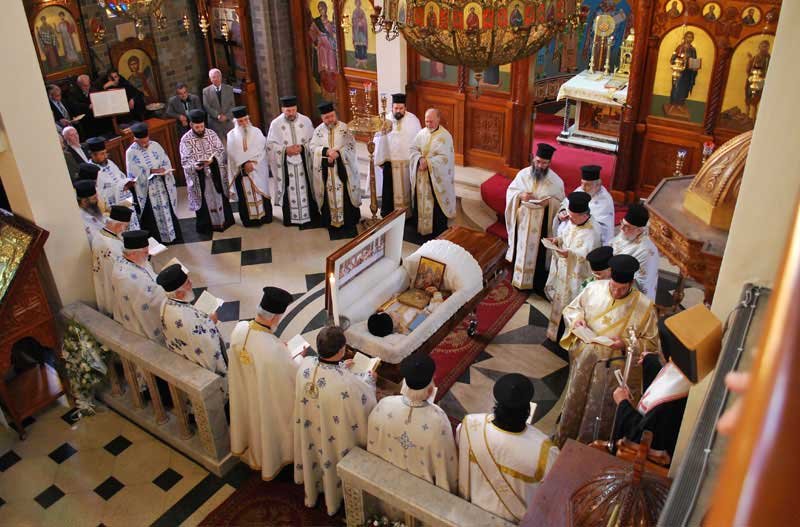
The main service is conducted in a church and follows a formal liturgy. Clergy and attendees participate in readings from the Bible, prayers, and hymns. The priest often emphasizes the Christian belief in resurrection and eternal life. The service also includes symbolic acts such as sprinkling holy water on the coffin and lighting candles, representing purification and hope.
4. Burial Customs
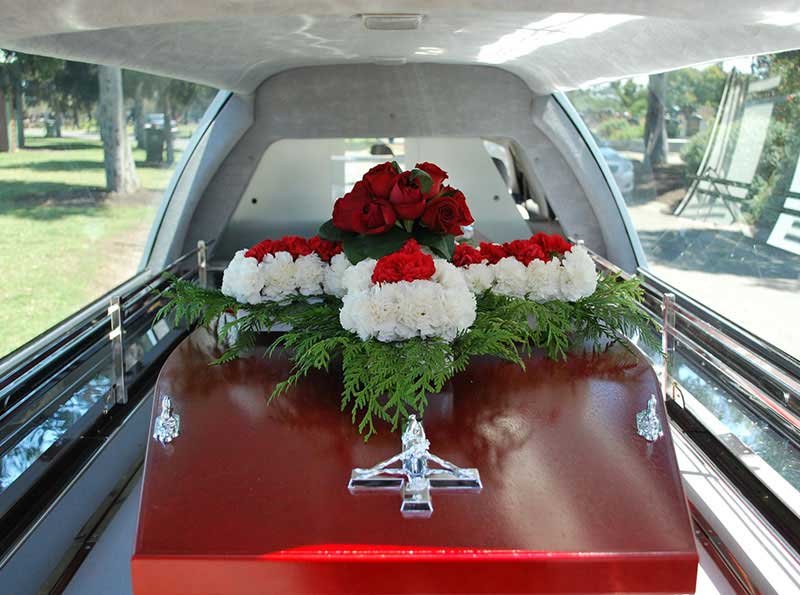
Burial is traditionally preferred over cremation in the Greek Orthodox faith, reflecting the belief in bodily resurrection. The coffin is carried into the church and then to the gravesite with solemn processions. Family and friends place flowers or soil on the grave, signifying love, remembrance, and the cyclical nature of life.
The Role of Community and Family
A distinguishing feature of a Greek Orthodox funeral is its communal aspect. Friends, extended family, and church members come together to support the bereaved, demonstrating the collective respect for the deceased. Meals and memorial gatherings often follow the burial, fostering social bonds and offering an opportunity for shared grief and healing.
Modern Adaptations in Melbourne
In contemporary settings like Melbourne, Greek Orthodox communities have adapted some traditional practices to align with modern needs while retaining their spiritual essence. For instance, families often coordinate with funeral homes in Melbourne to ensure the liturgical requirements are met with efficiency and reverence. This includes arranging transportation, preparing the body according to Orthodox rites, and facilitating memorial services, all while respecting cultural nuances.
Incorporating Memorial Services
Many families now include memorial services weeks or months after the funeral. These gatherings provide a chance to commemorate the deceased and continue cultural traditions in a supportive environment. Memorial candles, prayers, and shared meals help sustain the community’s connection to the departed.
Etiquette and Participation
For those attending a Greek Orthodox funeral, understanding basic etiquette can show respect for the traditions:
- Dress conservatively, with dark or muted colors.
- Follow the lead of the clergy during prayers and rituals.
- Offer condolences respectfully, often with phrases like “May their memory be eternal.”
- Participate in communal customs, such as sharing in memorial meals or lighting candles, if invited.
Such gestures reinforce the solemnity of the occasion and honor the deceased in accordance with religious customs.
The Spiritual Significance
Every aspect of a Greek Orthodox Funeral is imbued with spiritual meaning. From the Trisagion prayers to the final interment, the rituals affirm the faith’s teachings about life, death, and the soul’s journey. These ceremonies provide closure for families while fostering a sense of continuity, connecting the living to both their heritage and their spiritual beliefs.
Choosing the Right Funeral Home
Selecting a professional and culturally aware funeral home can significantly ease the process. Funeral homes in Melbourne that are experienced with Greek Orthodox rites offer specialized support, ensuring that traditions are honored and logistics are handled efficiently. Their expertise can guide families through ceremonial preparations, church arrangements, and community gatherings, allowing the grieving process to be approached with dignity and respect.
Conclusion
Greek Orthodox funerals are more than a series of rituals—they are profound expressions of faith, culture, and communal solidarity. By understanding the ceremonial customs, individuals can approach these occasions with respect, participate meaningfully, and ensure that the deceased is honored in accordance with longstanding traditions. Whether in Melbourne or elsewhere, the careful coordination of these rites reflects the timeless values of remembrance, reverence, and spiritual continuity.