In modern engineering and manufacturing, safety and reliability are non-negotiable. From bridges and pipelines to aircraft components and industrial machinery, structural integrity plays a critical role in performance and public safety. Yet, evaluating that integrity without causing damage has long been a challenge. This is where advanced inspection methodologies offer transformative value—allowing industries to detect flaws, verify quality, and maintain compliance without dismantling or destroying components.
Understanding the Science Behind Non-Destructive Evaluation
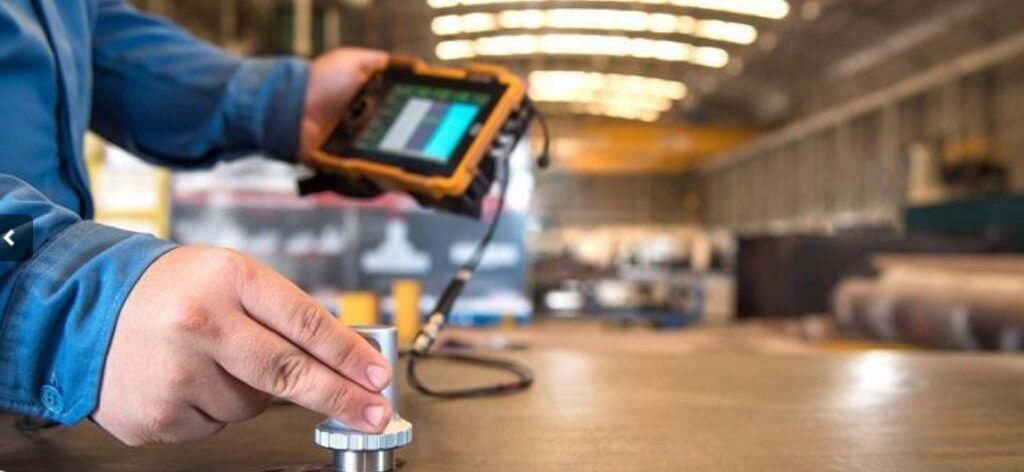
At the core of industrial quality control lies Ndt Testing, a systematic approach used to evaluate materials, components, or assemblies without impairing their future usability. Instead of cutting, bending, or breaking samples to inspect internal conditions, non-destructive techniques rely on scientific principles such as sound waves, electromagnetic radiation, and magnetic fields to reveal hidden defects.
Industries such as oil and gas, aerospace, construction, manufacturing, and power generation rely heavily on Ndt Testing to ensure structural reliability. The approach not only minimizes waste but also significantly reduces downtime, making it a preferred solution for both preventive maintenance and regulatory compliance.
Why Non-Destructive Testing Matters in Modern Industries
The increasing complexity of infrastructure and machinery has elevated the importance of accurate inspection systems. Structural failures can result in costly repairs, environmental damage, and safety hazards. By incorporating Ndt Testing protocols, organizations gain early detection capabilities, allowing them to address issues before they escalate into major failures.
Key benefits include:
- Early identification of cracks, corrosion, and internal voids
- Improved lifecycle management of assets
- Reduced operational risks
- Compliance with industry standards and safety regulations
Unlike destructive testing, which sacrifices materials to evaluate performance, non-destructive methods preserve both the integrity and value of the component being examined.
Common Methods Used in NDT
Several techniques are widely applied depending on material type and inspection objectives:
Ultrasonic Testing (UT)
This method uses high-frequency sound waves to detect internal flaws. Reflected sound signals help inspectors identify discontinuities within metals and composites.
Radiographic Testing (RT)
X-rays or gamma rays penetrate materials to create internal images, revealing hidden cracks or porosity.
Magnetic Particle Testing (MT)
Commonly applied to ferromagnetic materials, this method detects surface and near-surface discontinuities using magnetic fields.
Dye Penetrant Testing (PT)
A liquid penetrant is applied to highlight surface cracks visible under specific lighting conditions.
Each method serves a specific purpose, and the selection depends on factors such as material thickness, geometry, and safety requirements.
The Critical Role of Welding Inspection
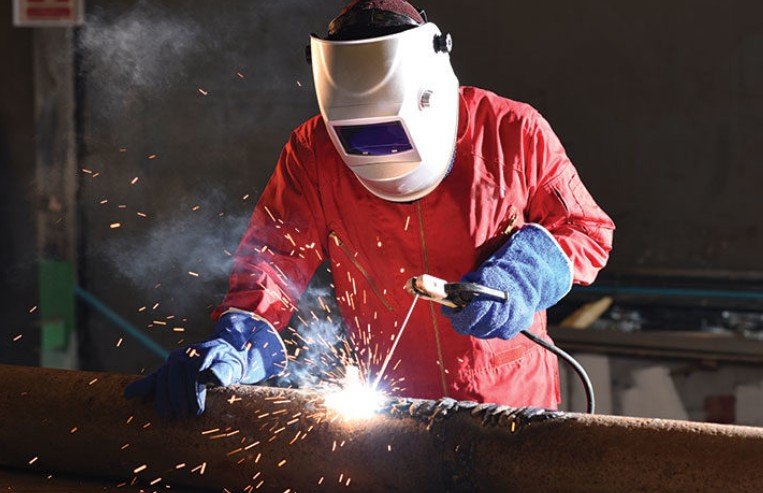
Welding is fundamental in structural fabrication, yet it is also one of the most failure-prone processes if not executed and examined properly. This is where Welding Inspection becomes essential.
Through systematic Welding Inspection, inspectors verify weld quality, alignment, penetration, and compliance with design specifications. Defective welds may lead to catastrophic structural failures if left unchecked, particularly in pressure vessels, pipelines, and load-bearing frameworks.
In many cases, Welding Inspection integrates non-destructive techniques such as ultrasonic or radiographic testing to assess internal weld integrity. This combined approach enhances confidence in structural performance and long-term durability.
Applications Across Key Sectors
Oil and Gas Industry
Pipelines and storage tanks operate under extreme pressure and environmental conditions. Continuous monitoring through Ndt Testing ensures leak prevention and structural resilience.
Aerospace and Aviation
Aircraft components must meet strict safety standards. Non-destructive methods detect microscopic cracks that could otherwise compromise flight safety.
Construction and Infrastructure
Bridges, buildings, and industrial plants depend on reliable welds and materials. Regular Welding Inspection supports compliance with engineering standards and prolongs asset lifespan.
Manufacturing and Power Generation
From turbines to heavy machinery, routine non-destructive examinations prevent unexpected breakdowns and costly production delays.
Technological Advancements in Inspection Practices
Modern inspection technologies have significantly enhanced accuracy and efficiency. Digital radiography, phased array ultrasonic testing, and automated robotic inspection systems now provide faster data analysis and improved defect visualization.
Additionally, digital reporting tools allow inspectors to store, analyze, and share inspection data seamlessly. These innovations align with evolving industry standards and help organizations maintain transparent quality assurance processes.
As industrial systems become more complex, integrating predictive maintenance strategies with Ndt Testing further strengthens operational resilience.
Compliance, Standards, and Professional Expertise
Global standards such as ISO, ASME, and ASTM outline specific requirements for inspection procedures and qualification levels. Certified inspectors play a vital role in ensuring that evaluation methods are conducted accurately and ethically.
Professional expertise in Welding Inspection and other non-destructive techniques ensures not only technical accuracy but also regulatory compliance. Structured documentation, traceability, and quality control audits form the backbone of effective inspection programs.
Challenges and Considerations
While non-destructive techniques provide substantial advantages, they require skilled personnel and appropriate calibration. Interpretation of results can vary depending on equipment quality and inspector experience. Therefore, investing in training and certification is essential for maintaining high inspection standards.
Environmental factors, accessibility, and material complexity may also influence the choice of inspection method. Careful planning ensures accurate assessments without compromising safety.
Conclusion
Ensuring structural integrity without damaging components is no longer a luxury—it is a necessity in modern industry. Through systematic Ndt Testing, organizations gain powerful insights into material performance, detect hidden defects, and uphold safety standards without interrupting operations.
When combined with meticulous Welding Inspection, these evaluation methods create a comprehensive framework for quality assurance and risk management. As industries continue to evolve, non-destructive inspection practices will remain a cornerstone of safe, efficient, and sustainable engineering systems.