In the world of manufacturing, construction, and metal fabrication, precision and safety are paramount. One of the most critical elements that ensure these standards is a well-documented Welding Procedure Specification (WPS). Understanding this concept not only streamlines the welding process but also helps maintain quality, consistency, and compliance across all projects.
What is a Welding Procedure Specification?
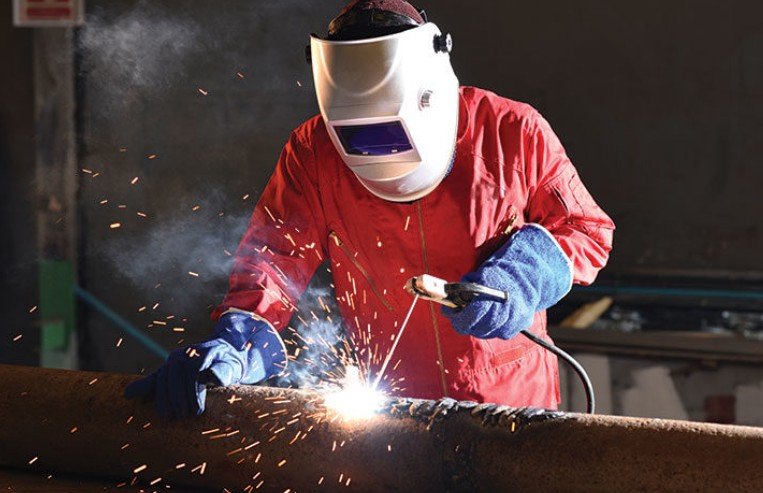
A Welding Procedure Specification is a formal document that outlines how a particular welding task should be performed. It details the methods, materials, and conditions required to produce a weld of consistent quality. Essentially, a WPS acts as a blueprint, guiding welders and quality inspectors through the exact procedures necessary for a successful joint.
This document typically includes information about the type of welding process, base materials, filler metals, preheat requirements, welding positions, and post-weld treatments. The goal is to minimize variability and ensure that each weld meets both safety standards and technical requirements.
Importance of a Welding Procedure Specification
The significance of a Welding Procedure Specification extends beyond mere documentation. It plays a crucial role in:
- Ensuring Quality: A detailed WPS guarantees that welds are uniform and meet engineering specifications, reducing the likelihood of defects or failures.
- Maintaining Safety: Following a verified procedure minimizes the risks of weld-related accidents and structural weaknesses.
- Regulatory Compliance: Many industries require documented WPS for audits, certifications, and inspections, making adherence to standards essential.
- Efficient Training: A WPS serves as a training reference for new welders, ensuring consistent skill transfer and reducing errors on the job.
Components of an Effective Welding Procedure Specification
A comprehensive Welding Procedure Specification includes several essential components:
- Base Material Details: Type, grade, and thickness of the metals being welded.
- Welding Process: The method used, such as MIG, TIG, or Stick welding.
- Joint Design and Positioning: Details about the type of joint and welding position to be used.
- Preheat and Interpass Temperatures: Guidelines to prevent thermal stress and cracking.
- Filler Material: Specifications for electrodes or wire, including composition and size.
- Welding Parameters: Current, voltage, and travel speed for achieving optimal weld quality.
- Post-Weld Treatments: Any necessary heat treatments, cleaning, or inspections to ensure durability.
These components collectively ensure that every welding project follows a standardized approach, reducing the risk of errors and inconsistencies.
Role of Welding Inspection Services
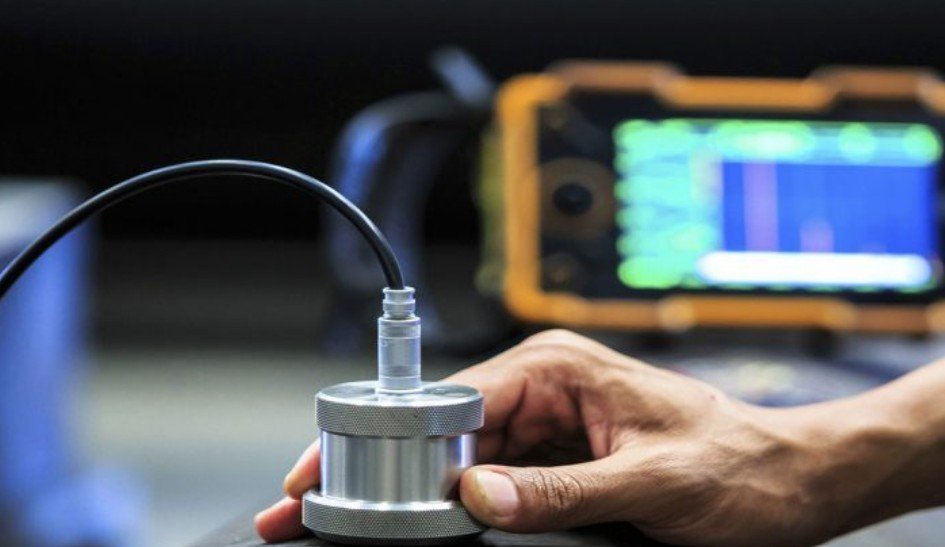
Once a Welding Procedure Specification is implemented, verifying compliance becomes critical. This is where professional welding inspection services come into play. These services involve rigorous checks, including visual inspections, ultrasonic testing, radiographic analysis, and more. By using these inspection methods, companies can confirm that welds meet the required standards and identify potential flaws before they compromise safety or performance.
Welding inspection services are not only essential for quality assurance but also for regulatory compliance. Many industrial projects, especially in sectors like oil and gas, infrastructure, and aerospace, mandate certified inspections before any structure is approved for use.
Benefits of Integrating WPS with Inspection Services
Integrating a Welding Procedure Specification with professional inspection services creates a powerful combination for ensuring excellence:
- Minimized Errors: Adhering to a WPS and having inspections reduces the likelihood of defective welds.
- Improved Longevity: Properly executed welds withstand stress, environmental factors, and long-term wear.
- Cost Efficiency: Identifying issues early prevents costly repairs or rework later in the project lifecycle.
- Enhanced Credibility: Consistently high-quality welds improve the reputation of contractors and fabrication teams.
Common Challenges in Implementing WPS
Despite its benefits, creating and following a Welding Procedure Specification can present challenges:
- Complexity of Documentation: Drafting a detailed WPS requires technical knowledge and precision.
- Skill Variations: Differences in welder experience can affect adherence to the procedure.
- Material Differences: Variations in base metals or filler materials may necessitate modifications to the WPS.
- Inspection Coordination: Ensuring inspections are conducted thoroughly and at the right stages can be logistically challenging.
Addressing these challenges involves proper training, collaboration between engineering and welding teams, and leveraging advanced inspection tools.
Tips for Simplifying WPS for Every Project
To make Welding Procedure Specification more approachable and applicable across various projects, consider these practical tips:
- Standardize Templates: Use pre-designed WPS templates for similar types of welding projects.
- Train Welders Regularly: Conduct workshops to familiarize staff with procedure requirements.
- Document Variations: Note any project-specific adjustments clearly to avoid confusion.
- Leverage Technology: Digital platforms can store, share, and update WPS easily, ensuring all team members have access to the latest version.
- Collaborate with Inspectors: Involve welding inspection services from the planning stage to streamline compliance checks.
By following these strategies, even complex projects can benefit from a simplified yet effective WPS framework.
Conclusion
A Welding Procedure Specification is more than a technical document; it is a cornerstone of quality, safety, and efficiency in welding projects. When combined with professional welding inspection services, it ensures that every weld meets stringent standards, reduces risks, and enhances project outcomes. By understanding its components, addressing challenges, and applying best practices, organizations can streamline their welding operations and achieve consistent, reliable results across all projects.