As global conversations around energy efficiency and climate responsibility continue to evolve, households are increasingly seeking heating solutions that align with sustainable living principles. Among the options gaining attention is the modern wood pellet heating system—an innovation that combines renewable energy with efficient design. This technology not only reduces environmental impact but also supports long-term cost savings and energy independence.
The Rise of Renewable Home Heating
Traditional heating systems, particularly those dependent on fossil fuels, contribute significantly to carbon emissions. Rising fuel costs and stricter environmental regulations have encouraged homeowners to explore cleaner alternatives. Biomass-based heating systems have emerged as a practical solution, utilizing organic materials such as compressed wood pellets derived from sawdust and forestry waste.
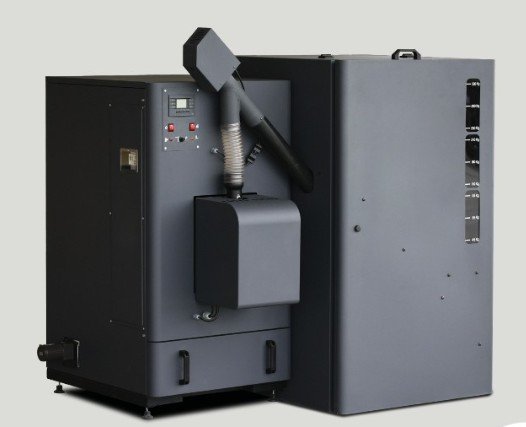
A Wood Pellet Heater operates by burning these compressed pellets in a controlled combustion chamber, producing consistent and efficient heat. Unlike traditional fireplaces or wood-burning stoves, pellet systems are engineered for optimized fuel usage and reduced particulate emissions. Their automated feeding mechanisms ensure steady performance with minimal manual intervention.
How Pellet Heating Systems Work
Modern pellet heaters are designed with advanced combustion technology. The system typically includes:
- A pellet storage hopper
- An automated auger to feed pellets into the burn pot
- A combustion chamber
- Heat exchangers
- An exhaust system
Once pellets are loaded into the hopper, the auger delivers them gradually into the combustion area. Sensors regulate temperature and airflow to maximize efficiency while minimizing waste. The result is steady heat output and improved indoor comfort.
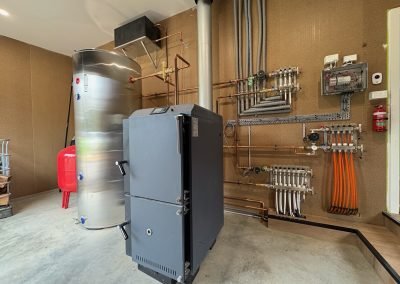
Many households are also turning to the hydronic wood heater, which integrates pellet combustion with water-based heating systems. Instead of directly heating air, this system heats water that circulates through radiators, underfloor heating, or storage tanks. The approach distributes warmth evenly throughout the home and is often considered highly efficient for larger properties.
Environmental Benefits of Biomass Heating
One of the most compelling advantages of pellet heating is its sustainability. Wood pellets are typically manufactured from residual wood materials, making them a renewable and recycled energy source. When sourced responsibly, biomass fuels contribute to a closed carbon cycle, where emitted carbon dioxide is offset by the carbon absorbed during tree growth.
Compared to conventional fossil fuels, pellet heaters produce significantly lower greenhouse gas emissions. Advanced combustion controls also reduce smoke and particulate matter, improving air quality. For environmentally conscious homeowners, these systems represent a tangible step toward reducing household carbon footprints.
Energy Efficiency and Cost Considerations
Efficiency is a defining feature of pellet heating systems. Modern units often achieve high combustion efficiency rates, translating into better heat output per unit of fuel. Automated controls allow users to program temperature settings, ensuring energy is used only when required.
While the initial installation cost may be higher than some conventional systems, long-term operational savings can be substantial. Pellet fuel prices tend to be more stable compared to oil or gas markets. Additionally, hydronic systems distribute heat evenly, reducing cold spots and improving overall energy performance within the building envelope.
The hydronic wood heater is particularly valued in colder climates where consistent, whole-house heating is essential. Its ability to integrate with existing radiator systems or underfloor heating makes it adaptable to various architectural layouts.
Design, Safety, and Maintenance
Modern pellet heating units are designed with safety and convenience in mind. Automatic ignition systems, temperature sensors, and safety shut-off mechanisms enhance operational reliability. Many systems also include programmable thermostats and digital controls, allowing precise temperature management.
Maintenance requirements are relatively straightforward. Regular cleaning of ash compartments and periodic inspection of internal components help maintain optimal efficiency. Unlike traditional wood stoves, pellet systems generate less ash and require less frequent manual cleaning.
Proper installation by qualified professionals is essential to ensure ventilation compliance and safe operation. When correctly installed and maintained, pellet heaters provide dependable performance over many years.
Integration with Smart and Hybrid Systems
Advancements in home automation have further increased the appeal of pellet heating technology. Many contemporary systems can be integrated with smart thermostats, enabling remote monitoring and energy tracking. Hybrid models also allow integration with solar thermal systems, enhancing renewable energy usage within a single household.
A Wood Pellet Heater can serve as a primary heating source or function as a supplementary system alongside other renewable technologies. This flexibility makes it suitable for both new constructions and retrofit projects focused on sustainability upgrades.
Considerations Before Installation
Before choosing a pellet-based system, homeowners should evaluate several factors:
- Availability and storage space for pellets
- Local regulations regarding biomass heating
- Property size and insulation quality
- Compatibility with existing heating infrastructure
Homes with adequate insulation typically benefit most from pellet systems, as reduced heat loss enhances overall efficiency. Additionally, ensuring consistent pellet supply from reliable sources supports uninterrupted operation during colder months.
The Broader Impact on Sustainable Living
Heating accounts for a significant share of residential energy consumption worldwide. Transitioning to renewable biomass systems reflects a broader shift toward environmentally responsible living. By utilizing recycled wood materials and improving energy efficiency, pellet heating supports both ecological and economic sustainability.
Moreover, advancements in combustion technology continue to refine emission standards and operational efficiency. As research and development progress, pellet heating systems are expected to become even more efficient and accessible.
Conclusion
The growing emphasis on renewable energy and responsible resource management has positioned pellet-based heating systems as a viable solution for modern households. Through efficient combustion, reduced emissions, and compatibility with hydronic distribution systems, these technologies offer a practical pathway toward sustainable living.
Whether implemented as a standalone Wood Pellet Heater or integrated within a hydronic wood heater setup, biomass heating represents a balanced approach to comfort and environmental stewardship. By aligning household energy practices with renewable principles, homeowners contribute meaningfully to a more sustainable future.